![Optii Logo 3x (2)-3.png]](https://help.optiisolutions.com/hs-fs/hubfs/Optii%20Logo%203x%20(2)-3.png?height=40&name=Optii%20Logo%203x%20(2)-3.png)
Hello Optii Users!
Custom Job Tags in Optii Platform let your property create a tailored labeling system for categorizing job data. Administrators enable tag access via Roles & Permissions, create tags in Tag Management, and staff can then apply tags such as "Guest Complaint", "VIP Owner", or "Late Checkout" to any job.
Who is this lesson for?
- Hotel Managers
- Head of Departments
- Optii Champion
Lesson Details:
Format: Video Tutorial
Duration: 2 minutes
Optional Format: Written Lesson
Estimated reading time: 2 to 5 minutes
What you will learn?
- How to add Tags in Optii
- Best Practices for Tags
Get ready to manage your hotel operations right from the palm of your hand!
🎥 Click below to watch the tutorial video!
Think of custom job tags as your property's personal labeling system. Instead of being limited to generic categories, you can now define and apply tags that directly reflect your specific workflows, recurring challenges, and emerging trends. This means you can group jobs based on anything from to "Guest Complaint" to "Wedding Guest", "VIP Owner", "Late Checkout" – the possibilities are tailored to your needs.
Follow the steps below to enable, create, and apply custom job tags in Optii Platform.
Written Lesson
Step 1: Enabling Access to Tags (Admin Role)
To get started with creating and managing tags, you'll need the correct permissions enabled. Here's how administrators can grant access:
- Navigate to the Settings: Look for the main settings or configuration area within your platform.
- Select "Roles & Permissions": Find the section dedicated to managing user roles and their associated permissions.
- Locate "Access Tags": Scroll through the list of permissions until you find the "Access Tags" option.
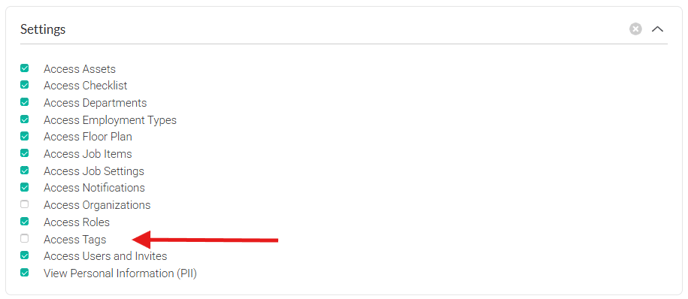
- Check the Box: Ensure the checkbox next to "Access Tags" is selected to grant the necessary permission.
- Click "Save": Confirm your changes by clicking the "Save" button.
Step 2: Creating Your Custom Tags (Admin Role)
With the correct permissions in place, administrators can now build the property's unique tagging system:
- Navigate to the Settings: Access the settings or administration panel.
- Locate "Tag Management": Within the settings, find the option specifically for managing job tags.
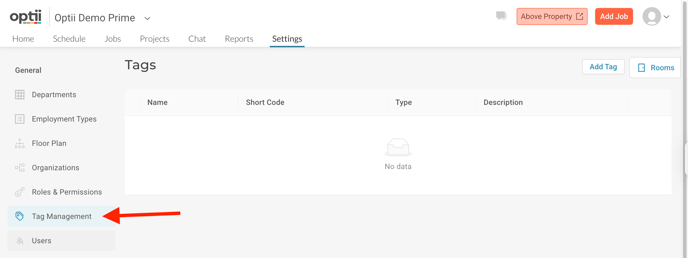
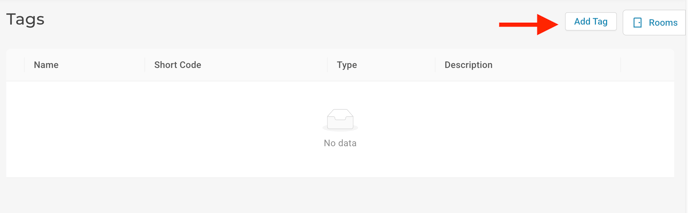
- Create a New Tag: On the right-hand side of the screen, click on the "Add Tag" button.
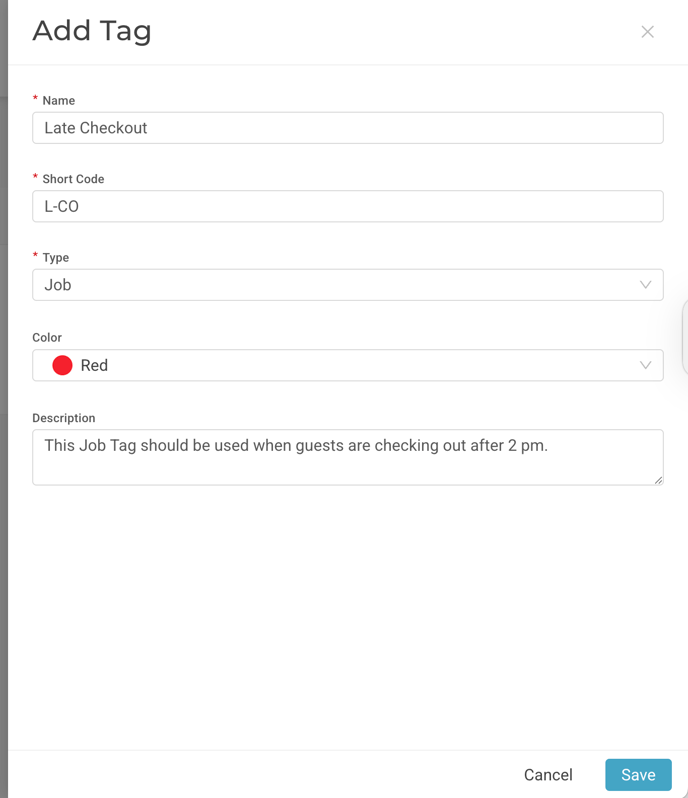
- Define Your Tag Name: Enter a clear and concise name for your tag. Think about how you want to group your jobs. Examples include:
- "Late Checkout"
- "Dissatisfied Guest"
- "Wedding Guest"
- "Housekeeping - Deep Clean"
- "VIP Owners"
- Select a Short Code (Optional): Enter a brief abbreviation or short code for your tag (e.g., "L-CO" for "Late Checkout"). This can be useful for quick identification in some views.
- Select a Color for Your Tag (Optional): Choose a color to visually associate with your tag. This can help with quick recognition in lists and reports.
- Add a Description (Optional): Provide a more detailed explanation of what this tag represents. This can be helpful for other users.
- Click "Save": Confirm the creation of your new tag by clicking the "Save" button.
Can you create custom job tags while logging a job?
For added convenience, you can also create new job tags directly while creating a new job:
- Create a New Job: Start the process of logging a new job and complete all the necessary details.
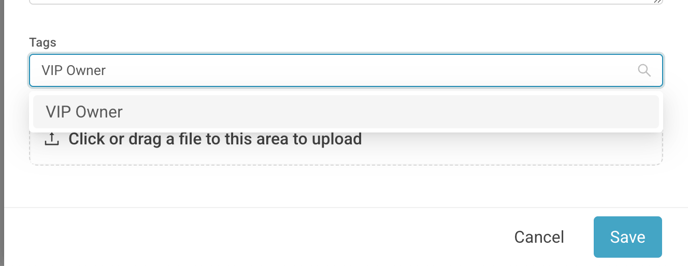
- Locate the "Tags" Field: Towards the end of the job creation form, you will find a field labeled "Tags."
- Type and create: Type the name of the new tag into the Tags field. If the tag does not already exist, a "Create [tag name]" option will appear in the dropdown — click it to confirm.
- Save the Job: Once you save the job, the new tag will also be saved and available for future use.
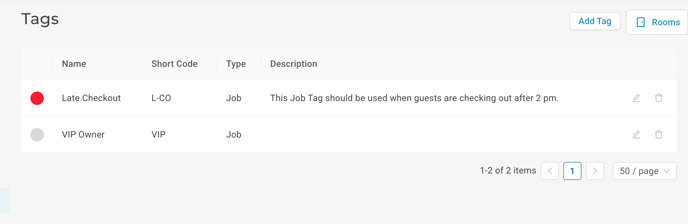
Remember, while creating tags on-the-go is convenient, we recommend that Hotel Champions or Senior Managers primarily manage the tag creation process through the Settings. This helps ensure consistency and adherence to established property standards. You can always revisit the "Tag Management" section in settings to edit or manage your tags at a later stage.
By creating and consistently applying custom job tags, your property gains structured, actionable data that supports better reporting, improved efficiency, and a clearer understanding of recurring operational trends. Use Settings > Tag Management to review and refine your tags at any time.